Owner operators: what cargo, liability and long haul cover each pay for
Three different policies, three different things going wrong. Confusing them is expensive.
September 1, 2026 · 3 min read
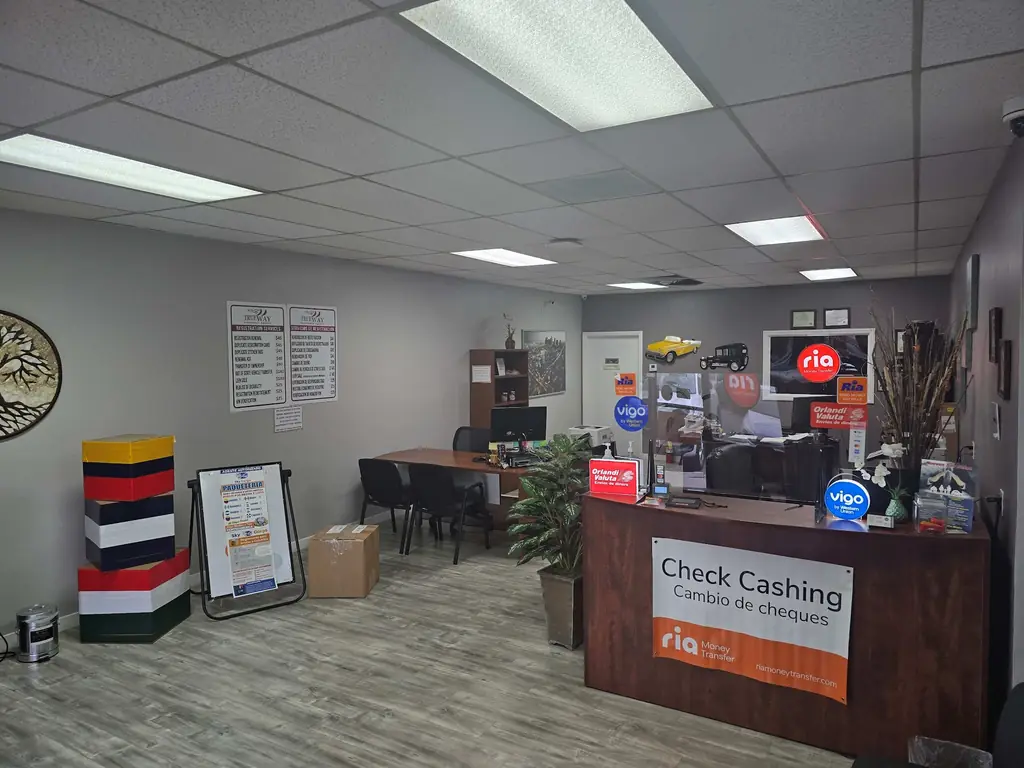
Trucking cover gets talked about as if it were one product. It is not. An owner operator running loads across state lines is usually carrying several distinct policies, each of which responds to a different thing going wrong, and the fastest way to end up underinsured is to assume one of them covers the job of another.
Liability
General liability written for the transportation industry covers managers and drivers for injury and damage arising out of the operation. This is the layer that responds when the harm lands on somebody else, and it is the layer that brokers and shippers ask about first because it is the one that protects them by extension.
Cargo
Cargo cover is for the freight itself, against physical damage or loss from an external cause. It is not the same policy as the one covering the truck and it is not the same policy as the one covering the harm the truck does to other people. If a load is damaged in transit, this is the policy that responds, and the required limit is often set by the shipper or the broker rather than by you.
It is worth understanding what your particular cargo cover does with the kinds of freight you actually haul. Refrigerated loads, high value electronics and vehicles are all treated differently from general freight, and a policy written around one is not automatically right for another.
Property damage
This one sounds like the others and is not. It covers damage a company truck causes to somebody else's building or vehicle. Loading docks, canopies, warehouse doors, parked cars in a tight yard. These are unglamorous claims and they are common, because a large vehicle manoeuvring in a space designed by an optimist is a recurring situation.
Long haul across 48 states
Once you cross state lines regularly, basic liability is not the shape of the exposure any more. Long haul cover is built for cross state operation, which is why it is quoted differently and why an agency that mostly writes local trades will not necessarily have it to hand. This is the piece that catches out owner operators who started with local work and expanded without revisiting the programme.
What tends to go wrong
- The programme was set up for local work and never revisited when the routes got longer.
- The cargo limit is lower than the broker's requirement, and it is discovered when a load is offered rather than in advance.
- The named entity on the policies does not match the authority, which is a quiet mismatch until it is not.
- A driver was added to the operation but not to the policy.
- Nobody can produce a current certificate quickly, and the load goes to somebody who can.
What to have ready
Your authority details, the trucks and trailers with their values, who drives them and their records, what you haul and roughly what it is worth, and the routes you actually run rather than the ones you had in mind when you started. Also any requirement sheet from a broker or shipper, since the limits they want are the constraint that shapes everything else.
Why this office
True Way Insurance has been working with trucking industry professionals for more than 20 years, which is longer than the agency itself has been open on Lankershim Blvd. It is the reason a neighbourhood office in North Hollywood carries a commercial transportation book alongside renters and homeowner's policies, and the reason a conversation about cargo limits at seven in the evening is a normal conversation here rather than an unusual one.
Come to 8029 Lankershim Blvd, Suite 110, or call the office. Bring the requirement sheet if you have one.
True Way Insurance Agency, (877) 242-2929
Call (877) 242-2929More articles
Renters insurance: what it actually covers, and the part people get wrong
Your landlord's policy covers the building. It does not cover a single thing you own.
DP-1 or DP-3: the two dwelling fire forms landlords keep getting asked about
One covers a named list of things. The other starts from everything and works backwards.