Renters insurance: what it actually covers, and the part people get wrong
Your landlord's policy covers the building. It does not cover a single thing you own.
September 1, 2026 · 3 min read
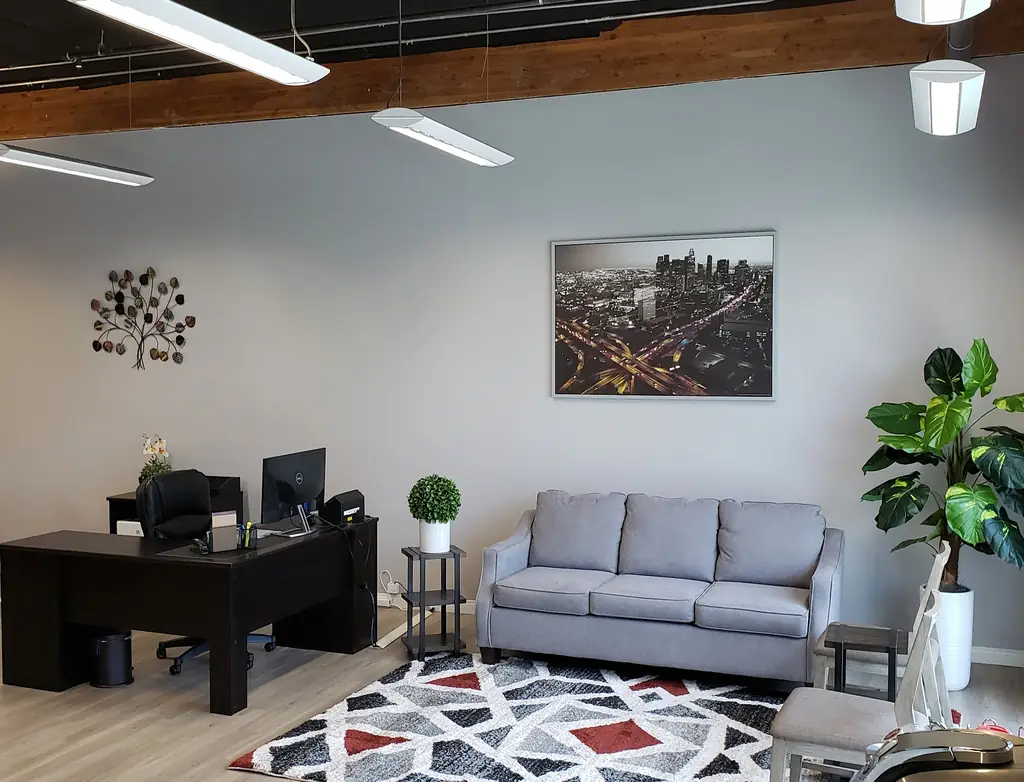
Most people who walk into the office asking about renters insurance have been told to get it by a leasing office, and they think of it as another box on the move in checklist. It is worth understanding what you are actually buying, because the half of the policy tenants think about least is usually the half that ends up mattering.
Your landlord's policy stops at the walls
The building owner insures the building. That is the structure, the roof, the plumbing, the common areas, and the owner's own liability as a property owner. It does not extend to your furniture, your clothes, your laptop, your bike in the hallway, or the contents of your kitchen. If a pipe fails upstairs and comes through your ceiling, the owner's policy is concerned with the ceiling. Everything that was sitting under it is your problem unless you carry your own cover.
This surprises people because the rent covers the building, so it feels like it should cover what is inside. It does not, and that gap is the entire reason renters policies exist.
Add up what you own before you decide how much cover to buy
The usual mistake is guessing low. Sit down and count the things you would actually have to replace: the bed, the couch, the television, the computer, the phone, the kitchen equipment, the tools in the closet, the clothes. People who do this properly are almost always surprised by the total, because possessions accumulate quietly and nobody adds them up until something forces it.
- Photograph each room, including inside cupboards and closets.
- Keep receipts or model numbers for anything expensive, and store that list somewhere that is not in the apartment.
- Note anything unusual, because high value items such as jewellery, instruments or camera equipment are often limited under a standard policy and may need to be scheduled separately.
- Check whether the policy pays replacement cost or actual cash value, because those two numbers can be very far apart on a five year old television.
The liability half is the part that gets ignored
A renters policy also covers your liability. If a guest is injured in your apartment, if your dog bites somebody, if water from your unit damages the unit below, that is where the claim goes. The dollar amounts involved in an injury claim are not in the same category as replacing a couch, and a tenant with no liability cover is personally exposed to them.
This is why the cover is worth having even for somebody who genuinely does not own much. A studio with a mattress and a laptop still has a front door that people walk through.
Some other things worth asking about
Ask whether the policy includes additional living expenses. If the unit becomes uninhabitable while it is being repaired, that is what pays for somewhere to stay. Ask how the policy treats belongings that are stolen from your car rather than from the apartment, because contents cover often follows the property rather than the address. Ask whether roommates are covered, because they usually are not unless they are named on the policy, and two people splitting one policy is not the same thing as two people each being insured.
Ask about the deductible too. A lower deductible costs more each month and pays out sooner, and the right answer depends on whether you could comfortably absorb a smaller loss yourself.
Where to start
Bring the lease, an idea of what your belongings are worth, and any letter the leasing office sent you telling you what cover they require. Some buildings ask for a minimum liability amount and want to be listed on the policy, and it is easier to set that up correctly at the start than to have the document sent back. If it is easier to explain in Spanish than in English, that is not a problem here.
True Way has been writing personal policies from the same office in North Hollywood since 2010, and renters cover is one of the quicker conversations we have. Come by the counter at 8029 Lankershim Blvd or call the office and we will work out what you actually need rather than what fits neatly on a form.
True Way Insurance Agency, (877) 242-2929
Call (877) 242-2929More articles
DP-1 or DP-3: the two dwelling fire forms landlords keep getting asked about
One covers a named list of things. The other starts from everything and works backwards.
The certificate of insurance your contractor is being asked for
It is not paperwork for its own sake. It is the reason you are allowed on the job.